
Marble vs Granite Table Tops
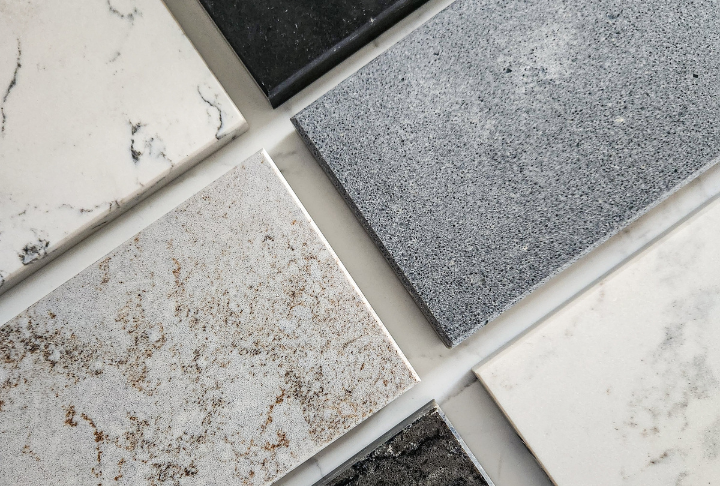
Marble and granite table tops bring timeless appeal and durability to kitchens, dining rooms, and living spaces. Homeowners, interior designers, and renovators value these materials for their natural beauty and strength. Both materials enhance interiors and create statement surfaces that balance style with practicality.
In this guide, we will be comparing marble table surfaces with granite table surfaces as stone for tabletops. The blog aims to give you a clearer understanding of which material is best for your style and space. We’ll explore key differences in appearance, maintenance, cost, and longevity, helping you make a confident, informed choice.
What are Stone Table Tops?
Stone tops are surfaces made from natural materials such as marble, granite, and other types of stone. These surfaces offer a premium look while handling daily use with ease. Among popular tabletop material options, stone stands out for its long lifespan and timeless appeal.
Benefits of Marble Table Tops
Tables with marble tops are a popular choice for property owners looking to furnish their spaces. Let’s see why:
1. Timeless Elegance
Marble is known for its natural veining and soft colour variations. Each table piece made from marble is unique, adding a sense of luxury and sophistication to dining rooms, kitchens, patios, and living areas. This timeless appeal ensures marble never goes out of style.
2. Natural Strength and Durability
This is a solid, durable stone that can handle everyday use when properly cared for. Its sturdy surface makes it suitable for dining, entertaining, and decorative applications in both residential and commercial settings.
3. Versatile Design Options
Tables made from marble complement a wide range of interior and exterior styles. From modern minimalist spaces to classic or traditional designs, this stone type adapts easily and enhances the overall aesthetic of any environment.
4. Cool Surface Properties
Marble naturally stays cool to the touch, making it ideal for warm climates like Cape Town and outdoor areas. This feature is also practical for food preparation and serving.
5. Adds Value to Interiors
Tables from marble elevate the look of a space and are often seen as premium furnishings. Their presence can enhance property appeal while creating a striking focal point in any room.
Disadvantages of Marble Tables
While marble is admired for its elegance, it is important to consider the potential drawbacks before selecting it as one of your tabletop options.
1. Prone to Staining
Marble is a porous stone, which means it can absorb liquids if not properly sealed. Spills from wine, oils, or acidic foods may cause stains, especially in high-use areas like kitchens or dining spaces.
2. Sensitive to Scratches and Etching
Softer than many other natural stones, marble can scratch more easily and may develop etching when exposed to acidic substances. As a result, this affects the surface finish over time.
3. Higher Maintenance Requirements
This top would require regular sealing and careful cleaning. Harsh cleaners or abrasive tools can damage a marble surface, making ongoing maintenance essential to preserve its appearance.
4. Cost Considerations
Marble is often more expensive than other tabletop options. The cost of installation, sealing, and long-term maintenance can add to the overall investment.
5. Less Suitable for Heavy Outdoor Use
While marble can be used outdoors, exposure to harsh weather conditions may cause wear or discoloration over time, making it less ideal for certain outdoor environments.
Benefits of Granite Table Tops
There are a number of benefits to choosing granite as your stone of choice. Let’s take a look at these benefits below:
1. Strength and Durability
Granite is one of the hardest natural stones available. It resists scratches, chips, and everyday wear, making it ideal for high-use areas such as kitchens, dining rooms, patios, and outdoor entertainment spaces.
2. Resistant to Heat and Weather
This stone can withstand heat, moisture, and changing temperatures. This makes it suitable for outdoor use, as well as for indoor spaces where hot dishes and heavy use are common.
3. Low Maintenance Surface
When sealed correctly, granite is easy to clean and maintain. It resists stains and spills, requiring only regular wiping to keep its polished appearance looking fresh and well cared for.
4. Wide Range of Colours and Patterns
Granite offers natural variation in colour and pattern, allowing homeowners and designers to find a style that complements both modern and traditional interiors and exteriors.
5. Long-Term Value
This stone top is a long-lasting investment. Its durability, practicality, and timeless appeal helps maintain its appearance and functionality for many years, adding lasting value to any space.
Disadvantages of Granite Tables
Granite table surfaces are known for their durability, but they may not suit every space or lifestyle. Let’s look at some downsides to granite:
1. Heavy Weight
Granite is extremely heavy, which can make installation challenging. Moving or repositioning granite slabs often requires professional handling, especially for larger indoor table top designs or built-in surfaces.
2. Higher Initial Cost
This stone surface can be more expensive upfront compared to other materials. While durable, the cost of granite, fabrication, and installation may not fit every budget.
3. Requires Proper Sealing
Although granite is less porous than marble, it still requires sealing. Without proper maintenance, granite outdoor tabletops can absorb moisture and develop stains over time.
4. Limited Design Softness
Granite has a bold, speckled appearance that may not suit all design preferences. It can feel visually heavy in minimalist or softer interior spaces where subtler finishes are preferred.
5. Potential for Surface Damage
While highly durable, granite can chip along edges if subjected to heavy impact. This is especially important to consider for stone outdoor tabletops exposed to frequent use and environmental stress.
Different Types of Marble Tabletops
Marble surfaces offer versatility and timeless appeal, with each style designed to enhance specific spaces. Let’s take a look at these style types:
1. Marble Top Dining Table
Ideal for dining rooms and open-plan kitchens, this table creates a striking focal point for meals and gatherings. Its polished surface adds sophistication and highlights the natural patterns of the stone, making every dining experience feel luxurious.
2. Marble Stone Coffee Table
Perfect for living areas, these tables provide a functional surface while elevating the room’s aesthetic. The natural veining of marble adds texture and visual interest, complementing both contemporary and classic décor.
3. Marble Café Table Top
Compact and durable, these tables work well in casual dining areas, breakfast nooks, or patios. They offer practicality for frequent use while maintaining a refined, inviting look.
4. Modern Marble Console Table
Designed for entryways and hallways, this style provides display space for décor while adding elegance and visual impact to narrow or transitional areas.
5. Modern Marble Side Table
These versatile marble end table pieces complement seating areas, offering practical surfaces and decorative appeal. Their compact size makes them perfect for corners, next to sofas, or beside chairs.
Different Types of Granite Table Tops
This stone’s table tops are prized for their durability, natural variation, and low-maintenance qualities. Let’s look at its most popular table types:
1. Granite Top Dining Table
Unlike marble, granite dining tables are extremely hard-wearing and resistant to scratches and spills. Perfect for busy kitchens or high-traffic dining areas, they combine elegance with practicality. The speckled patterns provide a bold, textured look compared to marble’s softer veining.
2. Granite Coffee Table
This stone handles heavy use better than marble, making it ideal for living rooms where drinks, snacks, and décor items are frequently placed. Granite’s toughness and stain resistance ensure a long-lasting surface that stays attractive with minimal care.
3. Granite Patio Table
Granite’s weather resistance makes it better suited for outdoor use than marble. It withstands sun, rain, and temperature changes without staining or etching, creating a durable and stylish option for gardens, decks, or patios.
4. Granite Bar Table
Smaller granite tables benefit from the same durability advantages, supporting heavier items without risk of chipping. Their speckled surfaces also hide wear and spills better than marble, making them ideal for everyday use.
5. Granite Conference Table
Conference tables made from granite combine a professional, polished look with exceptional toughness. This stone is perfect for office spaces or meeting rooms that require both style and practicality.
How to Choose the Right Table Top Stone
Choosing the right stone for your tabletops is crucial to ensure durability, style, and functionality. Here are five factors to consider helping you make the best choice for your space:
1. Durability and Strength
Select a stone that can withstand daily use, especially for high-traffic areas like kitchens and dining rooms. Harder stones such as granite resist scratches, chips, and cracks better than softer options like marble, ensuring your table top stays looking pristine for years. Durability also matters if you plan to use the table outdoors.
2. Maintenance and Care
Different stones require varying levels of maintenance. Some need regular sealing and careful cleaning to prevent stains or damage. For outdoor tables, consider UV resistant tabletop material such as granite, which withstand sun exposure without fading, keeping your stone looking fresh and maintaining its protective finish with minimal effort.
3. Colour, Pattern, and Style
The colour and pattern of your tabletop should complement your interior design and personal style. Light stones brighten a space, while darker ones add sophistication. Consider stones such as marble that have veining, specks, and natural patterns to coordinate with furniture, cabinetry, and décor to create a cohesive and stylish look.
4. Cost and Value
Stone prices vary widely depending on type, rarity, and finish. Balance your budget with long-term value: investing in a higher-quality stone may cost more upfront but can save on repairs or replacements. Evaluate the stone’s durability, maintenance needs, and aesthetics to ensure it’s worth the investment.
5. Intended Use and Placement
Consider where and how the table will be used. For outdoor dining, focus on the best outdoor tabletop materials that can withstand weather, heat, and moisture. The best material is durable, easy to maintain, and resistant to fading, ensuring your table looks great season after season.
Order Custom Granite & Marble Stone Table Tops from Marble Mill
Choosing the right tabletop stone is about more than just looks – it affects durability, maintenance, and how your space is used. For those considering outdoor tabletop options, selecting a material that can withstand weather and daily wear is essential. This also applies to any indoor options. Marble Mill, based in Cape Town, manufactures high-quality stone bathroom tops, stone kitchen tops, stone table tops, and other products, designed to last while enhancing any interior or exterior space. Contact our team today to find the perfect stone solution tailored to your home or business needs.