
Everything You Should Know About Waterfall Countertops

Everyone has different priorities when it comes to designing a space. Some people are drawn to bold, high-end features, while others look for something unique that makes a luxurious statement. The challenge lies in creating a space that feels personal, stylish, and cohesive. This can often feel overwhelming, especially when trying to make design choices that stand out.
A waterfall countertop is one feature that checks all the boxes. It is elegant, functional, and eye-catching. In this blog, we look at why waterfall countertops have become popular in modern homes and how they can improve a space.
What are Waterfall Countertops?
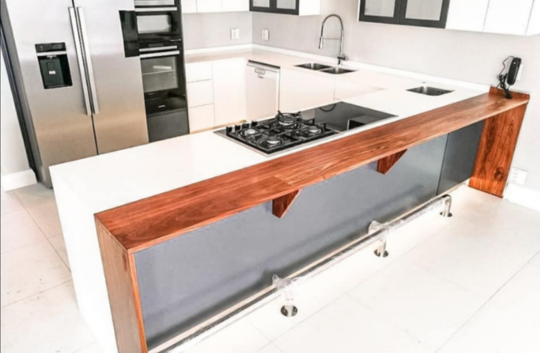
Waterfall countertops are a modern design where the countertop surface continues down the sides of a cabinet or island. Instead of stopping at the edge, the material flows vertically to the floor, creating a smooth, “waterfall” look. This style adds a bold touch to kitchens, bathrooms, and even offices.
Types of Waterfall Kitchen Counters
There are two main types of waterfall kitchen countertops to consider: peninsula countertops and kitchen island countertops. Both offer striking visual appeal and functional benefits, but they differ in placement and how they shape the flow of your kitchen space. Let’s take a look at the two options:
1. Kitchen Peninsula with Waterfall Edge
A waterfall peninsula countertop extends from the main countertop and is usually connected to a wall or cabinetry. The waterfall design continues down the one side, creating a clean, polished finish. This option is great for kitchens with limited space, as it adds surface area while maintaining a seamless look. It also helps define open-concept spaces without the need for a full island.
2. Kitchen Island with Waterfall Countertop
A kitchen island with a waterfall countertop features the countertop material flowing over one or both sides of a freestanding island. This creates a bold focal point in the center of the kitchen, adding both elegance and functionality. It’s perfect for larger spaces, offering additional prep areas, storage, or seating while making a strong design statement that ties the room together.

4 Popular Materials for Waterfall Kitchen Islands and Peninsulas
When adding a waterfall countertop to your kitchen island or peninsula, choosing the right material is key to achieving the look and durability you want. Here are four of the most popular options that beautifully combine function and design:
1. Marble
Marble is a timeless and luxurious material, making it a popular choice for waterfall island countertops. Its elegant veining and subtle colour variations ensure that no two installations are alike. A marble kitchen waterfall island improves the aesthetic appeal of the space and can serve as a striking focal point. While marble requires more care to avoid staining and etching, the beauty it brings makes it a worthwhile investment.
2. Granite
Granite is known for its strength, durability, and natural beauty. It is more resistant to scratches, heat, and stains, compared to many other materials, making it a great option for busy kitchens. Available in a wide range of colours and patterns, granite waterfall countertops offer a rich, earthy feel that adds both character and longevity to your space.
3. Quartz
Quartz is an engineered stone made from natural quartz crystals mixed with resins and pigments. It’s highly durable, non-porous, and resistant to stains and scratches. This is what makes quartz waterfall peninsulas and islands such popular options. With a wide range of colours and patterns, a quartz waterfall kitchen island or peninsula offers a modern, clean look that complements various kitchen styles.
4. Porcelain
Porcelain is a sleek, and lightweight material that is gaining popularity for waterfall or cascade countertops. It is incredibly durable, heat-resistant, and non-porous, which makes it easy to clean and maintain. Porcelain offers plenty of design flexibility with its slim profile and modern appeal. This makes it perfect for contemporary kitchens.
Pros and Cons of Waterfall Countertop Edges
One of the biggest benefits of a waterfall countertop is its visual impact. It creates a sleek, modern statement and showcases the beauty of your chosen material from top to floor. It also provides added protection for cabinetry and corners.
One of the potential drawbacks, however, is the cost of waterfall countertops. Due to increased material use and more complex installation compared to traditional kitchen countertops, waterfall counters can end up being more expensive. Overall, waterfall edges are fantastic if you love bold designs and clean lines, but it’s important to weigh the investment against your space and aesthetic preferences.
What to Consider Before Choosing and Installing Waterfall Countertops
Before committing to a waterfall countertop, it’s important to consider a few key factors. Below are four things you need to take into account before making a decision:
1. Budget
Waterfall or cascade countertops typically require more material and precise craftsmanship, which can make them more expensive than other regular countertop designs. In addition to the material costs, installation costs can also be higher due to the complexity of creating seamless joints and clean lines. If you’re working within a strict budget, make sure it aligns with the cost of a waterfall design.
2. Design Style
It’s important to consider your overall kitchen or home design. Waterfall kitchen countertops look beautiful in modern, minimalist kitchens or spaces because of their clean lines, sleek appearance, and ability to create a contemporary look. However, if your kitchen or space has a more traditional or rustic design, a waterfall edge might clash with the warmth and charm of natural wood or classic detailing.
3. Installation
The intricate nature of cutting and positioning the materials demands skill and expertise to achieve the perfect finish. Without professional installation, DIY attempts may result in visible seams, uneven edges, or misalignment, which can lead to costly repairs. When considering waterfall kitchen countertops, be sure to factor in the need and budget for professional installation services to ensure a high-quality result.
4. Material Selection
Choosing the right material is essential when planning a waterfall island or peninsula. Some materials, like marble, offer timeless beauty but may stain or scratch more easily. Granite, on the other hand, is highly durable, while quartz is low-maintenance and versatile. It’s incredibly important to weigh the appearance, durability, and functionality of each material before deciding on one.
Contact Marble Mill for High-Quality Waterfall Countertops
There are a lot of benefits to installing waterfall countertops in your home. By carefully assessing your space and style, you can determine whether a waterfall countertop is the right choice for your space. At Marble Mill, we specialise in manufacturing and installing a wide variety of stone countertops. Whether you’re interested in a stone waterfall kitchen island, peninsula or just regular countertops, we have you covered. Contact our team today and let us help you transform your kitchen.